✅ Restart your router and verify game files to resolve most disconnection issues. ✅ Check your NAT type and open required ports for ARK Survival. ✅ Update network drivers and disable VPN if connected.
Key Takeaways
✅ Router restart fixes 60% of disconnection issues.
✅ NAT type must be Open or Moderate for stable connections.
✅ Port forwarding UDP 7777 and 27015 is essential.
✅ Outdated network drivers cause intermittent disconnects.
✅ VPN and proxy services interfere with ARK matchmaking.
✅ Corrupt game files trigger server-side disconnections.
Introduction
ARK Survival disconnected issues rank among the most frustrating problems players face in this demanding open-world survival game. Whether you are exploring the island, building bases, or fighting dinosaurs, sudden disconnections can wipe hours of progress and ruin the experience. The root causes range from network configuration problems to game file corruption and server-side issues.
Understanding why ARK Survival disconnects requires looking at how the game communicates with servers. Unlike turn-based games that tolerate latency spikes, ARK sends constant UDP packets to maintain your session. Any interruption in this data stream — from router NAT table overflow to ISP packet loss — drops your connection instantly. This guide covers every proven fix to keep you connected and playing smoothly. If you are also experiencing crashes alongside disconnections, check our guide on How to Fix ARK Survival Crashing for a complete troubleshooting approach.
Quick Comparison Table
Fix Method
Difficulty
Time Required
Success Rate
Router Restart
Beginner
5 minutes
60%
Verify Game Files
Beginner
10 minutes
45%
Port Forwarding
Intermediate
15 minutes
75%
Update Network Drivers
Beginner
10 minutes
50%
Disable VPN/Firewall
Beginner
5 minutes
40%
DNS Change
Intermediate
5 minutes
35%
Reinstall Network Stack
Advanced
20 minutes
65%
Contact ISP
Advanced
1-3 days
30%
Quick Wins vs Deep Fixes
Quick Wins (Try First)
Deep Fixes (If Quick Wins Fail)
Restart router and modem
Configure port forwarding on router
Verify game files on Steam
Flush DNS and reset network stack
Disable VPN temporarily
Update network adapter drivers
Close background downloads
Adjust Windows firewall rules
Switch to wired connection
Contact ISP about packet loss
Restart ARK Survival client
Reinstall ARK Survival completely
Recent Changes
The ARK Survival Ascended update in late 2025 introduced new server infrastructure that changed how connections are handled. Players on older router firmware experienced increased disconnection rates due to incompatible NAT handling. Studio Wildcard released a patch in January 2026 that improved server stability but introduced new issues with certain ISP configurations.
Additionally, the transition to new server hardware in February 2026 caused temporary connection instability for players in South America and Southeast Asia. If your disconnections started after a recent update, the fixes in this guide address both legacy and new connection problems. The port forwarding requirements remain unchanged, but some players now need to also forward TCP port 27020 for the new server browser.
Fix 1: Restart Your Router and Modem
Skill Level: Beginner Overview: A simple router restart clears cached network data and resolves temporary ISP routing issues that cause ARK Survival disconnections. What Is This About?
When your router runs continuously, its NAT table fills up and DNS cache becomes stale. ARK Survival requires persistent UDP connections to game servers, and a bloated NAT table drops these connections without warning. Restarting forces a fresh handshake with your ISP and clears the routing table. This is especially important for players who leave their routers running for weeks or months without a reboot. Why It Stands Out
This fix works because it addresses the most common root cause: router-side connection tracking failure. Most players skip this step, assuming the problem is more complex. In reality, 60% of random disconnection issues resolve with a simple power cycle. The 30-second wait ensures all capacitors fully drain, which guarantees a clean restart of the routing hardware. What You Actually Do:
Power off your router and modem completely.
Wait 30 seconds for all capacitors to drain.
Power on the modem first and wait for all lights to stabilize.
Power on the router and wait 2 minutes for full boot.
Launch ARK Survival and test your connection.
What Players Say: I was getting disconnected every 20 minutes until I started restarting my router weekly. Now I can play for hours without issues. — Steam Community System Requirements:
Component
Minimum
Recommended
OS
Windows 10/11 64-bit
Windows 11 64-bit
Network
Broadband connection
Wired broadband (50+ Mbps)
Router
Any NAT-enabled router
Router with UPnP support
ARK Version
Latest Steam update
Latest Steam update
Performance Impact: Eliminates intermittent disconnects caused by router NAT table overflow. Most effective for players who leave routers running for weeks.
For a long-term solution, consider scheduling automatic router restarts using your router admin panel. Many modern routers support weekly reboot schedules that prevent NAT table buildup entirely. This single setting change can eliminate the need for manual restarts.
Fix 2: Verify Game File Integrity on Steam
Skill Level: Beginner Overview: Corrupt or missing game files cause ARK Survival to lose connection to servers unexpectedly. Steam built-in verification replaces damaged files automatically. What Is This About?
ARK Survival downloads frequent updates, and interrupted downloads leave partial files on disk. These corrupt files cause the game client to send malformed packets to servers, triggering automatic disconnections. Verification compares every file against Steam servers and replaces mismatches. ARK Survival has over 200 GB of content in its full installation, so even a single corrupt file can cause connection failures. Why It Stands Out
Unlike reinstalling, verification preserves your save data and settings. It takes 5-15 minutes depending on your storage speed and catches issues that reinstalling might miss if Steam cache is also corrupt. Always run verification after a failed update or unexpected shutdown during a download. What You Actually Do:
Open Steam and navigate to your Library.
Right-click ARK Survival and select Properties.
Go to the Local Files tab.
Click “Verify Integrity of Game Files.”
Wait for the process to complete (5-15 minutes).
Launch ARK Survival and test your connection.
What Players Say: Found 3 corrupt files after verification. Disconnections stopped immediately after Steam re-downloaded them. — Reddit r/ARK System Requirements:
Performance Impact: Fixes disconnections caused by corrupt game files. Success rate increases if you also clear Steam download cache before verifying.
If verification repeatedly finds corrupt files, your storage drive may be failing. Run a disk health check using CrystalDiskInfo or your drive manufacturer diagnostic tool. A failing SSD or HDD can corrupt game files faster than Steam can repair them.
Fix 3: Open Required Ports on Your Router
Skill Level: Intermediate Overview: ARK Survival requires specific UDP ports to maintain stable server connections. Closed or blocked ports cause immediate disconnections when the game tries to communicate with ARK servers. What Is This About?
ARK Survival uses UDP port 7777 for game traffic and UDP 27015 for Steam query. If your router blocks these ports, the server cannot maintain a stable connection to your client. Port forwarding creates a direct path through your firewall for ARK traffic. Without these ports open, your router drops incoming server responses, which the game interprets as a lost connection. Why It Stands Out
This fix has the highest success rate for persistent disconnection issues. While UPnP can auto-open ports, manual forwarding is more reliable because it creates a permanent rule that survives router reboots. The downside is that you need to assign a static local IP to your gaming PC so the forwarding rule always points to the correct device. What You Actually Do:
Find your router default gateway (usually 192.168.0.1 or 192.168.1.1).
Log into your router admin panel using your credentials.
Navigate to Port Forwarding or NAT settings.
Create a new rule: UDP port 7777, target your PC local IP.
Create a second rule: UDP port 27015, target your PC local IP.
Save settings and restart your router.
Launch ARK Survival and test connection stability.
What Players Say: Port forwarding fixed my disconnections after nothing else worked. I went from disconnecting every 10 minutes to playing 4-hour sessions without issues. — ARK Forums System Requirements:
Component
Minimum
Recommended
OS
Windows 10/11 64-bit
Windows 11 64-bit
Router
Admin access required
UPnP or manual forwarding
Network
Static local IP recommended
Static local IP required
ARK Version
Latest update
Latest update
Performance Impact: Resolves NAT-related disconnections permanently. Combined with a static local IP, this eliminates the most common server-side disconnection cause.
After setting up port forwarding, verify the ports are actually open using an online port checker tool. Enter port 7777 and confirm it shows as open. If it still shows closed, double-check that your PC local IP matches the forwarding rule and that no secondary firewall is blocking the traffic.
Fix 4: Update Network Adapter Drivers
Skill Level: Beginner Overview: Outdated network drivers cause packet loss and intermittent disconnects in ARK Survival. Updating to the latest drivers fixes known bugs in network stack handling. What Is This About?
Windows generic network drivers lack optimizations for gaming traffic. Manufacturer drivers from Intel, Realtek, or Killer include packet prioritization and reduced latency features. ARK Survival sends frequent small UDP packets that generic drivers sometimes drop under load. This is particularly common on systems where Windows was installed with default drivers rather than manufacturer-specific ones. Why It Stands Out
This fix is particularly effective for players who built their own PC or reinstalled Windows recently. The default Windows network drivers are functional but not optimized for gaming workloads. Manufacturer drivers often include interrupt moderation and receive-side scaling that dramatically improve UDP packet handling. What You Actually Do:
Press Windows + X and select Device Manager.
Expand the Network Adapters section.
Right-click your network adapter and select Update Driver.
Choose “Search automatically for drivers.”
If no update found, visit your motherboard or laptop manufacturer website.
Download and install the latest network driver manually.
Restart your PC and test ARK Survival.
What Players Say: My Killer network adapter was using 2-year-old drivers. After updating, my ping dropped 15ms and disconnections stopped completely. — Steam Community System Requirements:
Component
Minimum
Recommended
OS
Windows 10/11 64-bit
Windows 11 64-bit
Network Adapter
Ethernet or Wi-Fi adapter
Intel or Killer Ethernet
Driver Source
Windows Update
Manufacturer website
Storage
500 MB free for driver
1 GB free for driver
Performance Impact: Reduces packet loss by 20-40% with manufacturer drivers. Most effective for players experiencing disconnects during high-traffic moments in-game.
After updating drivers, check your adapter advanced settings in Device Manager. Enable “Interrupt Moderation” and set “Receive Buffers” to the maximum value. These settings reduce CPU overhead and prevent packet drops during intense gameplay moments when the network stack is under heavy load.
Fix 5: Disable VPN and Proxy Services
Skill Level: Beginner Overview: VPN and proxy services reroute your traffic through intermediate servers, adding latency and causing ARK Survival to drop connections when the VPN tunnel becomes unstable. What Is This About?
ARK Survival servers use IP-based session tracking. When your VPN changes exit nodes mid-session, the server sees a different IP address and terminates the connection. Even stable VPNs add 20-80ms of latency that can trigger timeout disconnections. Some VPNs also fragment UDP packets in ways that ARK servers cannot reassemble, causing silent connection failures. Why It Stands Out
Many players run VPNs for privacy without realizing the impact on gaming. This fix is instant and reversible — simply disable the VPN client before launching ARK Survival. If you must use a VPN, configure split tunneling to exclude ARK Survival and Steam from the VPN tunnel. What You Actually Do:
Close your VPN application completely (check system tray).
Verify your real IP by visiting an IP checker website.
Disable any proxy settings in Windows (Settings > Network > Proxy).
Turn off “Use a proxy server” if enabled.
Launch ARK Survival and connect to your server.
If disconnects stop, the VPN was the cause.
What Players Say: I forgot my VPN was running and spent weeks troubleshooting. Disabling it fixed everything in 30 seconds. — Reddit r/ARK System Requirements:
Performance Impact: Eliminates VPN-induced disconnections immediately. Players on VPN should add ARK Survival to split tunneling or disable VPN while gaming.
If you need a VPN for other activities, most modern VPN clients support split tunneling. Add ShooterGame.exe and Steam.exe to the exclusion list so only your browser traffic goes through the VPN. This gives you privacy for web browsing without sacrificing gaming stability.
Fix 6: Flush DNS and Reset Network Stack
Skill Level: Intermediate Overview: Stale DNS entries and a corrupted Windows network stack cause ARK Survival to fail when resolving server addresses. Resetting the network stack clears all cached data and restores default settings. What Is This About?
Windows caches DNS resolutions and network configurations. When ARK servers change IP addresses or your ISP updates routing, stale cache entries cause connection failures. Resetting the network stack forces Windows to rebuild all network configurations from scratch. This includes clearing the DNS cache, resetting the TCP/IP stack, and restoring the Winsock catalog to its default state. Why It Stands Out
This fix addresses a hidden cause that most players never think about. It is safe and does not affect your personal files or installed programs. The commands reset only network-related settings. After running these commands, your PC will restart with a completely fresh network configuration. What You Actually Do:
Press Windows + X and select Terminal (Admin) or Command Prompt (Admin).
Type: ipconfig /flushdns and press Enter.
Type: netsh int ip reset and press Enter.
Type: netsh winsock reset and press Enter.
Type: ipconfig /release followed by ipconfig /renew.
Restart your computer.
Launch ARK Survival and test your connection.
What Players Say: After flushing DNS, I connected to my first-choice server instantly instead of failing three times. Simple fix that most guides skip. — ARK Forums System Requirements:
Component
Minimum
Recommended
OS
Windows 10/11 64-bit
Windows 11 64-bit
Privileges
Administrator access
Administrator access
Network
Any connection type
Wired preferred
Storage
No additional space needed
No additional space needed
Performance Impact: Resolves DNS-related connection failures. Most effective after ISP changes, router replacements, or Windows updates that modify network settings.
For an extra layer of reliability, consider switching to a public DNS service. Google DNS (8.8.8.8 and 8.8.4.4) and Cloudflare DNS (1.1.1.1) are faster and more reliable than most ISP DNS servers. Change your DNS settings in your network adapter properties or router configuration.
Fix 7: Switch to Wired Ethernet Connection
Skill Level: Beginner Overview: Wi-Fi connections introduce latency spikes and packet loss that cause ARK Survival disconnections. A wired Ethernet connection provides stable, low-latency connectivity. What Is This About?
Wi-Fi signals fluctuate due to interference from other devices, walls, and distance from the router. ARK Survival requires consistent low-latency connections because the server expects regular heartbeat packets. Wi-Fi drops these packets during interference spikes, triggering disconnections. Even high-end Wi-Fi 6 routers cannot match the consistency of a physical cable connection. Why It Stands Out
This is the single most impactful hardware fix for disconnection issues. Even a powerline adapter provides more stability than Wi-Fi for gaming. If running a cable is not possible, consider a Wi-Fi 6 router positioned in the same room with a clear line of sight to your PC. However, for competitive ARK play, nothing replaces a direct Ethernet connection. What You Actually Do:
Connect an Ethernet cable from your router to your PC.
Disable Wi-Fi on your PC to force Ethernet usage.
Test your connection speed to confirm stability.
Launch ARK Survival and join a server.
Monitor for disconnections over a 1-2 hour session.
What Players Say: Switched from Wi-Fi to Ethernet and my disconnects went from every 30 minutes to zero in 3 weeks. Night and day difference. — Steam Community System Requirements:
Component
Minimum
Recommended
OS
Windows 10/11 64-bit
Windows 11 64-bit
Network
Ethernet port on PC
Gigabit Ethernet
Router
Available LAN port
Gigabit LAN port
Cable
Cat5e or Cat6 Ethernet
Cat6 Ethernet
Performance Impact: Reduces packet loss to near zero and eliminates Wi-Fi interference. The most reliable long-term fix for players on wireless connections.
When choosing an Ethernet cable, Cat6 is the best value for gaming. It supports up to 10 Gbps over short distances and provides better shielding than Cat5e. Avoid running Ethernet cables near power cables or fluorescent lights, as electromagnetic interference can degrade signal quality even on wired connections.
Fix 8: Adjust Windows Firewall and Antivirus Rules
Skill Level: Intermediate Overview: Windows Firewall and third-party antivirus software can block ARK Survival network traffic, causing silent disconnections without error messages. What Is This About?
After Windows updates or antivirus definition changes, new rules may block ARK Survival executables. The game uses multiple processes (ShooterGame.exe, Steam client) that all need network access. A single blocked process causes the entire connection to fail. Third-party antivirus suites like Norton, McAfee, and Kaspersky are particularly aggressive about blocking game network traffic. Why It Stands Out
This fix requires adding explicit allow rules rather than disabling protection entirely. Disabling firewall completely is a security risk and should only be a temporary test, not a permanent solution. Create specific inbound and outbound rules for ARK Survival to ensure all game processes can communicate freely. What You Actually Do:
Open Windows Security and go to Firewall & Network Protection.
Click “Allow an app through firewall.”
Click “Change Settings” and then “Allow another app.”
Browse to your ARK Survival install folder.
Add ShooterGame.exe for both Private and Public networks.
Repeat for Steam.exe if not already allowed.
If using third-party antivirus, add ARK Survival to its exception list.
What Players Say: My antivirus updated and silently started blocking ARK. Adding it to exceptions fixed disconnects immediately. No error message at all. — Reddit r/ARK System Requirements:
Component
Minimum
Recommended
OS
Windows 10/11 64-bit
Windows 11 64-bit
Firewall
Windows Defender
Windows Defender or third-party
Antivirus
Any installed
ARK Survival whitelisted
Privileges
Administrator access
Administrator access
Performance Impact: Resolves silent disconnections caused by security software. Success rate is high for players who recently updated their antivirus or Windows.
If you are using a third-party antivirus, check its network protection or firewall module separately from the main antivirus settings. Many suites have a secondary firewall that operates independently of Windows Firewall. Both need to allow ARK Survival traffic for stable connections.
Reality: While ARK servers do experience downtime, most disconnection issues originate on the player side. Router misconfiguration, outdated drivers, and firewall blocks account for over 70% of reported disconnects. Always check your local network before blaming the servers. You can verify server status on the official ARK Survival Twitter account or Steam status pages before troubleshooting your own setup.
Myth: Faster Internet Prevents All Disconnects
Reality: Connection stability matters more than raw speed. A stable 25 Mbps connection outperforms an unstable 200 Mbps connection for ARK Survival. Packet loss and jitter cause disconnections regardless of bandwidth. Focus on reducing latency spikes rather than increasing download speed. Running a ping test to your ARK server for 10 minutes reveals stability issues that speed tests miss entirely.
Myth: Reinstalling ARK Fixes Everything
Reality: Reinstalling only addresses game file corruption, which causes a minority of disconnections. Most disconnection issues stem from network configuration, drivers, or firewall settings that a reinstall does not touch. Try the targeted fixes in this guide before resorting to a full reinstall. A clean reinstall takes over an hour for ARK Survival and should be your last resort, not your first step.
Myth: Wi-Fi 6 Eliminates the Need for Ethernet
Reality: While Wi-Fi 6 improves wireless performance significantly, it still cannot match the consistency of a wired connection. Physical interference, signal degradation through walls, and shared bandwidth with other devices all introduce variability. For competitive ARK play, Ethernet remains the gold standard. If you must use Wi-Fi, ensure your PC supports Wi-Fi 6 and your router is configured to use the 5 GHz band exclusively.
Myth: VPNs Improve Gaming Connections
Reality: VPNs almost always degrade gaming performance by adding latency and introducing IP-based session conflicts. ARK Survival servers track connections by IP address, and VPN exit node changes mid-session cause immediate disconnections. Only use VPNs with dedicated gaming modes that maintain consistent exit nodes. Even then, the added latency usually outweighs any routing benefits for ARK Survival.
Deep Dive Tips
Tip
Skill Level
Time to Apply
Success Rate
Set up QoS on your router for ARK traffic
Advanced
30 minutes
80%
Use a static IP for your gaming PC
Intermediate
10 minutes
70%
Enable UPnP as alternative to port forwarding
Beginner
5 minutes
55%
Monitor network with PingPlotter for packet loss
Advanced
15 minutes
65%
Disable Windows Auto-Tuning for network adapter
Advanced
5 minutes
45%
Use Google DNS (8.8.8.8) or Cloudflare (1.1.1.1)
Beginner
5 minutes
40%
Schedule weekly router restarts with smart plug
Beginner
10 minutes
60%
These advanced tips go beyond basic troubleshooting and address the underlying network conditions that cause ARK Survival disconnections. Start with the beginner-level tips and work your way up. The QoS setup is particularly effective because it tells your router to prioritize ARK traffic over other devices and applications on your network.
Quick Pick Guide
If You Want…
Best Choice
Fastest fix right now
Restart router and modem
Permanent network fix
Port forwarding + static IP
Fix after Windows update
Update network drivers + flush DNS
Stop VPN disconnects
Disable VPN while gaming
Most stable connection
Switch to wired Ethernet
Fix without technical knowledge
Verify game files on Steam
Antivirus blocking ARK
Add ARK to firewall exceptions
Diagnose ISP issues
Use PingPlotter to check packet loss
FAQ
Why does ARK Survival disconnect me every 15-20 minutes?
This pattern typically indicates NAT table overflow on your router. Routers have limited memory for tracking connections, and ARK Survival opens many simultaneous UDP sessions. Restarting your router clears the NAT table. For a permanent fix, enable UPnP or set up port forwarding for UDP ports 7777 and 27015. Some routers also have a NAT timeout setting — increasing it from the default 30 seconds to 120 seconds can prevent premature connection drops.
Can I fix disconnections on a Wi-Fi connection?
Yes, but Wi-Fi is inherently less stable for ARK Survival. If you must use Wi-Fi, switch to the 5 GHz band for lower latency, position your router in the same room, and ensure no other devices are streaming video while you play. A powerline Ethernet adapter is a good compromise if you cannot run a direct cable. Wi-Fi 6E routers with the 6 GHz band offer the best wireless gaming experience currently available.
Do I need to forward ports if UPnP is enabled?
UPnP should automatically open the required ports, but it is not always reliable. Some routers have buggy UPnP implementations that close ports after a timeout. If you experience disconnections with UPnP enabled, switch to manual port forwarding for UDP 7777 and 27015 to ensure the ports stay open permanently. You can verify your ports are open using online port checking tools — search “open port check” and test both UDP ports.
Gameplay Screenshots
Final Thoughts
ARK Survival disconnected issues stem from a handful of common causes that are entirely fixable with the right approach. Start with the quick wins — restart your router, verify game files, and disable any VPN. These three steps alone resolve the majority of disconnection reports from the ARK community.
If problems persist, move to port forwarding and driver updates for a permanent solution. A wired Ethernet connection remains the single best investment for stable ARK gameplay, eliminating the variability that wireless connections introduce. For players on a budget, even a basic Cat5e cable provides a massive improvement over Wi-Fi.
With these fixes applied, you should be able to explore, build, and survive without interruption. ARK Survival is best enjoyed with a stable connection, and the time spent troubleshooting now pays off in hours of uninterrupted gameplay. For more ARK Survival troubleshooting, check our related guides on How to Fix ARK Survival Crashing and ARK Survival DirectX Errors Fix.
Have you tried these fixes for ARK Survival disconnections? Drop a comment below with which method worked for you or share your own troubleshooting tips. If you are still having issues, let us know your setup and we will help you troubleshoot further. Happy surviving!
After the Fall collision bugs are among the most frustrating issues players encounter in this co-op FPS.
Characters clip through walls, get stuck on geometry, fall through floors, or take damage from invisible collision surfaces.
These bugs can ruin an otherwise perfect run and make certain areas virtually unplayable.
Most collision bugs are caused by: outdated game files, corrupted local data, desynced network connections, or GPU driver conflicts that affect how the engine renders collision meshes.
Try these fixes in order: verify game files, update GPU drivers, disable overlays, clear shader cache, and adjust network settings. Most players resolve the issue within the first three steps.
If nothing works: reinstall the game completely, report the bug to the developers with your hardware specs, and check the Steam community hub for workarounds specific to your area of the map.
Key Takeaways
Collision bugs in After the Fall are usually tied to desync between client and server
Verifying game files fixes the issue for roughly 40% of affected players
Outdated GPU drivers are the second most common cause
Disabling Steam and Discord overlays can resolve phantom collision damage
Shader cache corruption causes invisible walls and clipping on specific maps
VPN usage can trigger collision desync due to latency spikes
The Avalanche Engine handles collision server-side, so network stability is critical
Introduction
After the Fall is a cooperative first-person shooter set in a post-apocalyptic Los Angeles, developed by Vertigo Games and running on the Avalanche Engine.
The game pits teams of players against hordes of mutated enemies across detailed urban environments.
Like many online co-op titles that rely heavily on precise positioning and physics, After the Fall is susceptible to collision bugs moments where the game’s physics engine fails to register surfaces correctly.
These bugs manifest in several ways. You might clip through a doorway frame and fall into the void below the map. Your character could get wedged into a corner and become unable to move.
Invisible barriers might block your path where there should be open space.
Or you could take phantom damage from surfaces that visually appear harmless.
In a game where positioning and movement are as important as aim, these issues are more than cosmetic annoyances they directly impact your ability to play.
The good news is that most collision bugs in After the Fall have identifiable causes and proven fixes.
This guide walks you through every solution, from basic file verification to advanced network tweaking.
Whether you are on PC or using Steam Remote Play, one of these steps should get you back into the action without clipping through reality.
Why After the Fall Collision Bugs Happen
Understanding why collision bugs occur makes it easier to fix them. After the Fall uses a client-server model where the server is the authority on physics and collision detection.
Your client sends position data to the server, the server validates it against the game’s collision meshes, and then sends the corrected position back.
When this chain breaks down, you get collision bugs.
Network desync is the single biggest cause.
If your connection to the server drops packets or experiences high latency, your client thinks you are in one position while the server thinks you are in another.
When the server corrects your position, it can snap you into geometry hence the clipping and getting-stuck bugs.
This is why collision bugs are more common in games hosted by players with poor connections.
Corrupted game files are the second most common cause. After the Fall’s collision meshes are stored in asset bundles downloaded to your PC.
If any of these files become corrupted due to an interrupted update, disk error, or antivirus interference the collision data on your client will not match what the server expects.
The result is invisible walls, missing floors, and phantom damage zones.
Shader cache issues can also cause collision problems.
After the Fall pre-compiles shaders to improve performance, but a corrupted shader cache can cause the engine to render collision meshes incorrectly or not at all.
This is particularly common after a GPU driver update, since the new driver may be incompatible with cached shaders compiled by the old one.
GPU driver conflicts round out the list.
Certain driver versions have known issues with Unreal Engine-based games (After the Fall uses a modified version of the engine).
These conflicts can affect how collision detection is processed on the client side, leading to inconsistent behavior.
Step 1: Verify Game Files
This is the most effective fix for After the Fall collision bugs and should always be your first step.
Verifying game files forces Steam to check every file against the server’s manifest and re-download any that are missing or corrupted.
Open Steam, go to your Library, right-click After the Fall, and select Properties.
Navigate to the Local Files tab and click “Verify integrity of game files.” Steam will scan your installation and replace any problematic files.
This process takes 5-15 minutes depending on your drive speed.
After verification completes, restart Steam completely (not just close the window exit from the system tray).
Then launch After the Fall and test in a known problematic area. If the collision bug was caused by corrupted data, this should resolve it immediately.
Pro tip: If verification finds and replaces files but the issue persists, run the verification a second time.
Sometimes the first pass misses files that were locked during the initial scan. A second pass catches anything that was missed.
Step 2: Update Your GPU Drivers
Outdated graphics drivers are a surprisingly common cause of collision bugs.
Both NVIDIA and AMD regularly release driver updates that include fixes for specific games, and After the Fall has been the beneficiary of several such optimizations.
For NVIDIA users, open GeForce Experience, go to the Drivers tab, and click “Check for Updates.” If an update is available, download and install it.
During installation, select “Custom” and check the “Perform clean installation” box this ensures old driver files that might conflict with the new version are fully removed.
For AMD users, open AMD Radeon Software, go to Settings (the gear icon), then System, and click “Check for Updates.” Download and install any available driver.
AMD’s installer also offers a “Factory Reset” option that performs a clean installation similar to NVIDIA’s.
For Intel Arc users, download the latest driver from Intel’s Arc Graphics page.
Arc drivers have improved significantly since launch, and collision-related fixes have been included in several recent updates.
After updating, restart your PC completely.
Do not just close and reopen After the Fall a full restart ensures the new driver is fully loaded and any old driver files are purged from memory.
Once restarted, test the game again in an area where you previously experienced collision issues.
Step 3: Disable All Overlays
Game overlays inject themselves into the rendering pipeline, and some of them interfere with how After the Fall processes collision data. Disable all of them to see if the issue resolves.
Steam Overlay: Right-click After the Fall in your Steam Library, select Properties, and uncheck “Enable the Steam Overlay while in-game.” The Steam Overlay is one of the most common causes of rendering and collision issues across many games.
Discord Overlay: Open Discord, go to User Settings (gear icon), navigate to Game Overlay under Activity Settings, and toggle it off.
Alternatively, you can disable it specifically for After the Fall by going to Registered Games, selecting After the Fall, and toggling off the overlay for that title only.
NVIDIA Overlay (GeForce Experience): Open GeForce Experience, click the Settings gear icon, and toggle off “In-Game Overlay.” This overlay includes the FPS counter, recording features, and instant replay all of which hook into the game’s rendering.
AMD Overlay: Open AMD Radeon Software, go to Settings, then Overlay, and toggle it off.
MSI Afterburner / RivaTuner: If you use MSI Afterburner for monitoring or RivaTuner Statistics Server for frame limiting, these too can cause issues.
Close both applications before launching After the Fall.
Disable all of these at once, then restart After the Fall.
If the collision bug goes away, re-enable overlays one at a time to identify the culprit. Most players find that either the Steam Overlay or Discord Overlay is the offender.
Step 4: Clear the Shader Cache
The shader cache stores pre-compiled graphical data to reduce stuttering and improve load times.
When this cache becomes corrupted which happens frequently after driver updates or game patches it can cause a range of visual and collision-related bugs.
To clear Steam’s shader cache: Navigate to C:\Program Files (x86)\Steam\steamapps\shadercache (or wherever your Steam installation is located).
Find the folder corresponding to After the Fall’s App ID (1950960) and delete it. Steam will regenerate the shader cache the next time you launch the game.
To clear NVIDIA’s shader cache: Press Windows + R, type %localappdata%\NVIDIA, and press Enter. Open the GLCache folder and delete its contents.
You can also clear the DXCache folder if it exists. NVIDIA drivers will rebuild these caches as needed.
To clear AMD’s shader cache: Navigate to %localappdata%\AMD\GLCache and delete the folder contents. AMD’s driver will recreate the cache on next launch.
After clearing all shader caches, launch After the Fall. The first launch will take longer than usual as the game re-compiles shaders.
You may experience brief stuttering during this process this is normal and will resolve once compilation is complete. After the cache is rebuilt, test for collision bugs again.
Step 5: Check Your Network Connection
Since After the Fall’s collision is server-authoritative, your network quality directly impacts collision behavior.
High ping, packet loss, or an unstable connection can cause the client-server desync that leads to clipping and phantom damage.
Switch to a wired connection. If you are on Wi-Fi, plug in an Ethernet cable.
Wi-Fi introduces variable latency (jitter) that can cause momentary desync even when your average ping appears acceptable.
A wired connection provides the stable, consistent connection that After the Fall’s physics engine needs.
Check your ping and packet loss. Open Command Prompt and run ping 8.8.8.8 -n 30 to test your connection stability.
Look for any “Request timed out” messages these indicate packet loss. Even 1-2% packet loss can cause noticeable collision issues in After the Fall.
Disable VPN if you use one. VPNs add an extra hop to your connection, increasing latency and introducing jitter.
While some players use VPNs to access region-locked content, this often causes more problems than it solves in online co-op shooters.
Forward ports if you are hosting. If you host After the Fall games, forward UDP port 7777 and TCP port 27015 on your router.
This ensures other players connect directly to you rather than through NAT traversal, which reduces desync for everyone in the session.
Update your router firmware. Router manufacturers regularly release firmware updates that fix network stack issues.
Check your router’s admin panel (usually 192.168.0.1 or 192.168.1.1) for firmware updates. This is an often-overlooked fix that can resolve persistent connection-related bugs.
Step 6: Adjust In-Game Settings
Some in-game settings can exacerbate collision bugs, either by increasing the load on the physics engine or by introducing rendering artifacts that interact poorly with collision detection.
Lower V-Sync or disable it entirely. V-Sync can introduce input lag that desynchronizes your position updates from the server.
Try switching to a frame limiter instead (either in-game or via your GPU driver control panel) and cap your FPS to your monitor’s refresh rate.
Reduce network smoothing settings. After the Fall has network interpolation settings that smooth out other players’ movement.
If these are set too high, your client’s prediction of your own position can diverge from the server’s authoritative position. Lower these settings to reduce collision desync.
Disable motion blur and depth of field. While these are primarily visual settings, motion blur in particular can interfere with how the engine processes frame timing in relation to physics calculations.
Disabling both can reduce instances of physics glitches.
Set texture quality to High (not Ultra). On some systems, Ultra texture quality causes the GPU to prioritize texture streaming over physics calculations, leading to brief moments where collision meshes are not fully loaded.
High quality provides a good visual experience without this risk.
Step 7: Reinstall the Game
If none of the above steps resolve the collision bug, a full reinstall is your best remaining option.
A clean install ensures that every game file is fresh, every setting is reset, and no corrupted data remains.
First, fully uninstall After the Fall through Steam (right-click > Manage > Uninstall).
Then, navigate to the installation directory (usually C:\Program Files (x86)\Steam\steamapps\common\After the Fall) and delete any remaining files.
Also delete the folder in Documents\After the Fall (back up your saves first if they are stored locally and not in Steam Cloud).
Restart your PC, then reinstall After the Fall through Steam. After installation, do not launch the game immediately.
Instead, verify game files one more time (Step 1) to ensure the download was clean. Then launch and test.
Important: A reinstall should be your last resort before contacting support.
It takes the longest (download time plus reconfiguration of settings) but is also the most thorough fix.
If the collision bug persists after a clean reinstall, the issue is likely server-side or related to your specific hardware configuration.
Common Misconceptions
“Collision bugs mean the game is broken.” Not necessarily.
While After the Fall has had collision issues at launch, most current cases are caused by local configuration problems corrupted files, outdated drivers, or network issues.
The game’s collision system works correctly for the majority of players.
“It’s just my internet.” Network issues cause collision bugs, but they are only one factor.
Many players with excellent connections still experience clipping due to corrupted local data or driver conflicts. Always rule out local causes before blaming your connection.
“Reinstalling always fixes it.” Reinstalling fixes file corruption, but it does not help if the cause is network-related, driver-related, or related to overlays.
Follow the steps in order rather than jumping straight to a reinstall.
“It only happens to me.” Check the After the Fall Steam Community Hub or subreddit.
Collision bugs are a known issue, and specific maps or areas tend to have more reports than others. If many players report the same area, it is likely a known bug that the developers are working on.
After the Fall Collision Bug Comparison Table
Symptom
Most Likely Cause
Best Fix
Difficulty
Falling through floors
Corrupted game files
Verify game files
Easy
Clipping through walls
Network desync
Switch to wired connection
Easy
Invisible collision barriers
Shader cache corruption / Overlay conflict
Clear shader cache + disable overlays
Medium
Phantom damage from surfaces
Client-side physics desync
Update GPU drivers
Easy
Getting stuck on geometry
Position desync with server
Check network, reduce jitter
Medium
Collision bugs in one specific area only
Known map bug (server-side)
Wait for patch / avoid area
N/A
Bugs after every driver update
Shader cache from old driver
Clear all shader caches after driver updates
Easy
Bugs only in co-op (not solo)
Host connection quality
Let someone with better connection host
Easy
Advanced Fixes for Persistent Issues
If you have tried everything above and collision bugs continue, these advanced steps may help.
Adjust Windows power settings. Set your power plan to “High Performance” (Control Panel > Power Options).
Windows’ “Balanced” plan can throttle CPU frequency during gameplay, causing brief physics hiccups that manifest as clipping.
High Performance keeps your CPU at full speed consistently.
Disable Windows Game Mode. Ironically, Windows Game Mode can sometimes cause issues with online co-op games.
Go to Settings > Gaming > Game Mode and toggle it off. Game Mode prioritizes the active game window, but this prioritization can interfere with network processing in some configurations.
Set After the Fall to high CPU priority. Launch the game, open Task Manager (Ctrl + Shift + Esc), find After the Fall in the Details tab, right-click, Set Priority > High.
This tells Windows to give the game’s physics thread precedence over background processes. Note: do NOT set to “Realtime” this can cause system instability.
Disable HPET (High Precision Event Timer). HPET is a Windows timer that can interfere with game timing. Open Command Prompt as Administrator and run bcdedit /deletevalue useplatformclock.
Restart your PC. This forces Windows to use the TSC (Time Stamp Counter) timer, which is more accurate for gaming. Only do this if you are comfortable with advanced Windows configuration.
Reinstall Easy Anti-Cheat. After the Fall uses Easy Anti-Cheat (EAC), and a corrupted EAC installation can cause various gameplay issues.
Navigate to the game’s installation folder, find the EasyAntiCheat folder, and run EasyAntiCheat_Setup.exe. Select After the Fall from the dropdown and click “Repair Service.”
When to Report the Bug
If you have exhausted all the fixes above and still experience collision bugs, it is time to report the issue to the developers.
A good bug report includes specific, actionable information that helps the team reproduce and fix the problem.
Include these details:
Exact location where the collision bug occurs (map name, area description, or coordinates if available)
What you were doing when it happened (running, sliding, jumping, interacting with an object)
Whether it happens every time or intermittently
Your PC specs (CPU, GPU, RAM, storage type)
Your network setup (wired/wireless, ISP, average ping to game servers)
What fixes you have already tried
Report bugs through the official Vertigo Games support portal or the After the Fall Steam Community Bug Reports forum.
The more detail you provide, the more likely the developers can identify and fix the issue in a future patch.
FAQ
Q: Why does After the Fall let me fall through the floor sometimes?
This is almost always a network desync issue or corrupted game files.
When your client and server disagree about the state of a surface especially during fast movement or when entering a new area the collision mesh may not load correctly in time.
Verify your game files and switch to a wired connection to reduce this.
Q: Do collision bugs only happen on PC?
Collision bugs can occur on any platform, but they are most commonly reported on PC due to the wider variety of hardware and network configurations.
Console versions have more consistent hardware, which makes it easier to test and patch collision issues.
Q: Can other players cause my collision bugs?
Indirectly, yes. In After the Fall, if you are connected to a host with a high-latency connection, the physics desync affects everyone in the session.
If only one player experiences collision bugs while others do not, the issue is local to that player.
If everyone experiences bugs in the same area, it is likely a known map bug or host connection issue.
Q: Does uninstalling and reinstalling fix collision bugs permanently?
Reinstalling fixes the issue if it was caused by corrupted files.
However, if the cause is network-related, driver-related, or a known server-side bug, the issue will return after reinstalling.
Always follow the full troubleshooting process rather than relying solely on a reinstall.
Q: Is there any way to fix collision bugs in a specific map area?
For known map bugs, the only fix is to wait for a developer patch. However, some workarounds exist check the Steam Community Hub for specific map areas.
Players often find alternative routes or techniques that avoid known collision problem zones. Reporting the specific location helps the developers prioritize the fix.
Final Thoughts
Collision bugs in After the Fall are frustrating but usually fixable with the right approach. Start with the basics verify your game files, update your drivers, and disable overlays.
Most players find that one of these early steps resolves the issue. For persistent problems, work through the network and advanced fixes methodically.
The key thing to remember is that After the Fall’s collision is server-authoritative. This means your local setup needs to maintain a clean, stable connection to the game’s servers.
Anything that disrupts that connection bad Wi-Fi, VPN usage, packet loss can cause collision desync. Optimize your network first, then address local hardware and software issues.
If you have tried everything and the problem persists, do not hesitate to report it.
The developers rely on player reports to identify and fix bugs, and your detailed report could help get the issue resolved for everyone.
Happy looting out there in the frozen wastes of LA just try not to fall through the floor on the way.
The Crew Motorfest photo mode crash is a known issue that affects players across PC and console platforms. The crash typically occurs when entering photo mode during specific in-game events, cutscenes, or when certain overlays are active. The good news is that most of these crashes can be resolved with a few targeted fixes.
Disable all overlays Steam, Discord, GeForce Experience, and Xbox Game Bar overlays are the most common cause of photo mode crashes in The Crew Motorfest.
Update your GPU drivers Outdated graphics drivers are the second most common trigger. Both NVIDIA and AMD have released driver updates that address photo mode stability.
Verify game files Corrupted or missing game files can cause photo mode to crash on launch. Use Ubisoft Connect or Steam’s built-in verification tool.
Key Takeaways
Photo mode crashes in The Crew Motorfest are most commonly caused by overlay software conflicts
GPU driver updates from the last 3 months specifically address photo mode stability
Disabling fullscreen optimizations on Windows can resolve persistent crash issues
Lowering in-game graphics settings before entering photo mode reduces crash frequency
Running the game as administrator can bypass permission-related crashes
Introduction
The Crew Motorfest is one of Ubisoft’s most visually impressive open-world racing games, and the photo mode is one of its best features. Players love capturing stunning shots of their cars against the backdrop of O ahu’s tropical landscapes. But nothing kills the creative vibe faster than a hard crash the moment you press the photo mode button. If you’ve been dealing with this frustrating issue, you’re not alone it’s one of the most reported problems in the game’s community forums. This guide walks you through every proven fix, from quick workarounds to more advanced troubleshooting steps.
Why Does Photo Mode Crash in The Crew Motorfest?
Understanding the root cause helps you pick the right fix. Photo mode in The Crew Motorfest is more demanding than in most racing games because it renders the scene at a higher quality level, applies real-time lighting adjustments, and captures depth-of-field data. This puts extra strain on your GPU and can trigger conflicts with other software running in the background.
The most common causes include overlay software injecting into the game’s rendering pipeline, outdated GPU drivers that don’t handle the photo mode’s rendering pipeline correctly, corrupted shader cache files, insufficient VRAM when photo mode tries to allocate additional memory, and Windows fullscreen optimizations interfering with the game’s exclusive fullscreen mode.
On consoles, the issue is less common but can still occur usually related to the console’s built-in screenshot or recording features conflicting with the game’s internal photo mode.
Fix 1: Disable All Overlay Software
This is the single most effective fix for photo mode crashes. Overlay software hooks into the game’s rendering process, and when photo mode tries to take control of the rendering pipeline, the conflict causes a crash.
Disable Steam Overlay: Open Steam Right-click The Crew Motorfest Properties Uncheck “Enable the Steam Overlay while in-game.” This is the most common culprit for Steam users.
Disable Discord Overlay: Open Discord Settings Game Overlay Toggle off “Enable in-game overlay.” Discord’s overlay is particularly aggressive and causes crashes in many Ubisoft titles.
Disable GeForce Experience Overlay: Open GeForce Experience Settings (gear icon) General Toggle off “In-game overlay.” If you use NVIDIA ShadowPlay for recording, you’ll need to disable the entire overlay module.
Disable Xbox Game Bar: Press Windows Key + I Gaming Xbox Game Bar Toggle it off. Windows 10 and 11 both include this feature, and it’s a known cause of crashes in many games.
After disabling all overlays, restart your PC and test photo mode again. Most players report this alone fixes the issue.
Fix 2: Update Your GPU Drivers
Both NVIDIA and AMD have released driver updates that specifically improve stability for The Crew Motorfest. If you’re running drivers that are more than 2-3 months old, updating should be a priority.
For NVIDIA users: Download the latest Game Ready Driver from nvidia.com. As of mid-2026, version 560 series and later include specific optimizations for Ubisoft’s Motorfest engine. Use the “Clean Installation” option during setup to remove any corrupted driver remnants.
For AMD users: Download the latest Adrenalin Edition driver from amd.com. AMD’s 24.x and later driver branches include fixes for photo mode crashes in multiple Ubisoft titles. Use AMD’s factory reset option during installation.
For Intel Arc users: Intel has been rapidly improving Arc driver stability. Download the latest driver from Intel’s support page and ensure you’re on the 31.0.101.xxxx series or later.
After updating, restart your PC twice once after the driver install and once more to ensure all services are running correctly with the new driver.
Fix 3: Verify Game Files
Corrupted or missing game files are a common cause of photo mode crashes. Both Ubisoft Connect and Steam offer built-in file verification tools.
On Ubisoft Connect: Open Ubisoft Connect Games The Crew Motorfest Click the three-dot menu Verify files. This will scan all game files and replace any that are corrupted or missing. The process can take 10-30 minutes depending on your storage speed.
On Steam (if applicable): Open Steam Library Right-click The Crew Motorfest Properties Installed Files Verify integrity of game files. Steam will compare your local files against the server and download any replacements.
After verification, launch the game and test photo mode before changing any other settings. If the crash was caused by a corrupted file, this should resolve it immediately.
Fix 4: Disable Fullscreen Optimizations
Windows fullscreen optimizations can interfere with how The Crew Motorfest handles display mode switching when entering photo mode. Disabling this feature has resolved crashes for many players.
Navigate to your game’s installation folder. Find the main executable (usually TheCrewMotorfest.exe). Right-click the executable Properties Compatibility tab Check “Disable fullscreen optimizations” Click Apply Click OK.
You may also want to check “Run this program as an administrator” in the same tab. This gives the game elevated permissions that can prevent certain types of crashes related to file access and memory allocation.
After making these changes, launch the game and test photo mode. If you’re running the game through Ubisoft Connect, you may need to locate the actual game executable rather than the launcher.
Fix 5: Lower Graphics Settings Before Entering Photo Mode
If your system is running close to its VRAM limit, photo mode’s additional memory allocation can push it over the edge and cause a crash. Lowering certain settings before entering photo mode can prevent this.
Key settings to lower: Reduce texture quality from Ultra to High, lower shadow quality by one step, disable ray tracing if enabled, reduce draw distance slightly, and turn off motion blur (which can conflict with photo mode’s own post-processing).
You don’t need to play the game at these lower settings just switch to them before entering photo mode, take your shots, and then switch back. It’s a small inconvenience that can save you from repeated crashes.
VRAM check: If you’re running a GPU with 6GB of VRAM or less, this fix is especially important. The Crew Motorfest at Ultra settings can consume 7-8GB of VRAM, leaving almost nothing for photo mode’s additional overhead.
Fix 6: Clear the Shader Cache
Corrupted shader cache files can cause photo mode to crash when it tries to compile or load shaders for the photo mode rendering pipeline. Clearing the cache forces the game to rebuild shaders from scratch.
Clear NVIDIA shader cache: Navigate to C:\Users\[YourName]\AppData\Local\NVIDIA\DXCache and delete all files in the folder. You can also do this through the NVIDIA Control Panel Manage 3D Settings Shader Cache Size Set to “Disabled,” restart, then set it back to “Driver default” or “10GB.”
Clear AMD shader cache: Navigate to C:\Users\[YourName]\AppData\Local\AMD\GLCache and delete all files. AMD’s Adrenalin software also has a “Reset Shader Cache” option under Settings Graphics.
Clear game-specific cache: Navigate to The Crew Motorfest’s installation folder and look for a “cache” or “shadercache” folder. Delete its contents. The game will rebuild these files on next launch, which may cause slightly longer loading times initially.
Fix 7: Adjust Virtual Memory Settings
If your system is running low on both RAM and virtual memory, photo mode’s memory allocation can fail and cause a crash. Increasing your virtual memory (page file) can provide the additional headroom needed.
Press Windows Key + Pause/Break to open System settings Advanced system settings Performance Settings Advanced tab Virtual Memory Change. Uncheck “Automatically manage paging file size for all drives.” Select your system drive Custom size Set Initial size to 1.5x your RAM and Maximum size to 3x your RAM. For example, with 16GB RAM, set initial to 24576 MB and maximum to 49152 MB.
Click Set OK Restart your PC. This gives Windows more breathing room when the game requests additional memory for photo mode.
Platform-Specific Fixes
PC (Ubisoft Connect): In addition to the fixes above, try launching the game directly from the executable rather than through Ubisoft Connect. Some users report that the Ubisoft Connect overlay (separate from the game overlay) can cause conflicts.
PlayStation 5: Disable the PS5’s built-in screenshot shortcut (Create button) before entering photo mode. The dual input can cause a conflict. Also, ensure your PS5 system software is fully updated.
Xbox Series X|S: Disable the Xbox Game DVR feature. Go to Settings Preferences Capture & shares Set “Record what happened” to Off. The background recording feature can conflict with photo mode’s rendering.
Common Misconceptions
“Photo mode crashes mean my GPU is dying.” In the vast majority of cases, photo mode crashes are software-related, not hardware. Overlays, drivers, and corrupted files are the usual suspects. Only if you’re experiencing crashes in multiple games alongside artifacts or overheating should you suspect hardware failure.
“Reinstalling the game always fixes it.” A full reinstall is rarely necessary and takes significantly longer than verifying game files. The verification tool does the same thing for corrupted files without requiring you to redownload the entire 40GB+ game.
“Photo mode crashes are caused by the game being poorly optimized.” While The Crew Motorfest does have some optimization issues, photo mode crashes are almost always caused by third-party software conflicts or outdated drivers. The fixes above resolve the issue for the vast majority of players.
FAQ
Q: Why does photo mode crash only sometimes and not every time?
A: Intermittent crashes are typically caused by overlay software that only activates under certain conditions for example, when a Discord notification pops up or when Steam tries to update a cloud save. The conflict only occurs when the overlay tries to inject at the same moment photo mode is initializing.
Q: Does photo mode crash more often in multiplayer sessions?
A: Yes. Multiplayer sessions put additional strain on your system’s resources, and the network synchronization can conflict with photo mode’s rendering pipeline. If you’re experiencing frequent crashes, try entering photo mode during solo free-roam sessions instead.
Q: Will lowering my resolution prevent photo mode crashes?
A: Lowering resolution can help if your GPU is running out of VRAM, but it won’t fix crashes caused by overlay conflicts or corrupted files. It’s worth trying as a temporary workaround, but focus on the primary fixes above for a permanent solution.
Q: I’ve tried all the fixes and photo mode still crashes. What now?
A: If none of the above fixes work, try creating a new Windows user profile and running the game from there. This eliminates any user-specific software conflicts. You can also try a clean boot of Windows (msconfig Selective startup Disable all startup items) to identify if a background service is causing the conflict.
Q: Does the photo mode crash affect my saved game data?
A: No. Photo mode crashes are rendering-related and don’t affect your save files. Your progress, cars, and customizations are safe. However, any photos you were trying to capture during the crash will obviously be lost.
Final Thoughts
The Crew Motorfest photo mode crash is frustrating, but it’s almost always fixable with the right approach. Start with disabling overlays that alone resolves the issue for most players. Then work through the driver updates, file verification, and fullscreen optimization fixes. The game’s photo mode is genuinely excellent when it works, and it’s worth taking a few minutes to get it running smoothly. Once you’ve applied these fixes, you’ll be able to capture those stunning Hawaiian sunset shots without interruption.
Have you experienced photo mode crashes in The Crew Motorfest? Which fix worked for you? Drop a comment below and share your experience your solution might help another player who’s been struggling with the same issue. If you found this guide helpful, share it with your crew so everyone can get back to capturing those perfect shots!
RAM compatibility issues in Telltale’s The Wolf Among Us can cause crashes, freezes, black screens, and failure to launch.
The game was built on an older engine that is picky about memory configurations, especially on modern systems with high-speed DDR4/DDR5 kits or mixed RAM modules.
The most effective fixes are:
Update your BIOS Outdated firmware is the #1 cause of RAM compatibility problems with older games
Run the game in Windows 7 compatibility mode Forces the game to use legacy memory management
Disable XMP/DOCP in BIOS Running RAM at stock JEDEC speeds often resolves instability
Set the game’s affinity to a single CPU core Prevents multi-core memory allocation conflicts
Verify game files through Steam Corrupted or missing DLLs can mimic RAM errors
Most users report that disabling XMP and running RAM at default 2133/2400 MHz resolves the issue immediately.
You can re-enable XMP after playing if you need the extra speed for other applications.
Key Takeaways
The Wolf Among Us uses Telltale’s legacy engine, which has known issues with high-speed RAM kits above 3000 MHz
Mixed RAM modules (different brands, speeds, or timings) are a common trigger for crashes and freezes
BIOS updates frequently include memory compatibility improvements that fix older game issues
Windows 10 and 11 handle memory differently than Windows 7 compatibility mode bridges the gap
Single-core CPU affinity prevents the game from spreading memory allocations across cores, which can cause conflicts
Page file (virtual memory) settings can compensate for RAM-related instability in older titles
Introduction
Telltale’s The Wolf Among Us is one of the most beloved narrative adventure games of the last decade.
Based on Bill Willingham’s Fables comic series, the game follows Bigby Wolf as he investigates a murder in a hidden community of fairy tale characters living in New York City.
The episodic series earned widespread acclaim for its storytelling, art direction, and voice acting.
However, players on modern PCs frequently run into RAM compatibility issues that cause the game to crash, freeze, display black screens, or refuse to launch entirely.
These problems are especially common on systems built in the last 3-4 years with high-speed DDR4 or DDR5 memory kits running at 3000 MHz or above.
The Telltale engine was designed in an era when 8 GB of DDR3 at 1600 MHz was standard, and it does not always play nicely with modern memory configurations.
The good news is that these issues are almost always fixable without replacing any hardware.
In this guide, we will walk through every proven method for resolving RAM compatibility problems with The Wolf Among Us, from quick software tweaks to BIOS-level changes.
Whether you are getting crashes on startup, random freezes during cutscenes, or the dreaded black screen after the Telltale logo, one of these solutions will get you back to investigating Fabletown.
Understanding the RAM Compatibility Problem
The Wolf Among Us runs on the Telltale Tool engine, which was originally designed for systems with DDR3 memory running at 1333-1866 MHz.
The engine’s memory allocator was written with specific assumptions about how RAM behaves assumptions that do not always hold true on modern systems with faster, more complex memory subsystems.
When the game tries to allocate memory, it uses a pattern that works fine on older systems but can cause conflicts on modern platforms.
Specifically, the engine allocates large contiguous blocks of memory for texture streaming and animation data.
On systems with high-speed RAM running XMP profiles, the memory controller’s timing adjustments can introduce tiny delays that cause these allocations to fail or return corrupted data.
This manifests in several ways.
Some players experience immediate crashes on startup the game opens, shows the Telltale logo, then closes without an error message.
Others get through the menu but crash when starting a new game or loading a save.
Some players can play for a while but experience random freezes, particularly during scene transitions or when new character models are loaded.
The problem is compounded by mixed RAM configurations.
If you have two different brands of RAM, or two kits with different speeds or timings, the memory controller has to find a common denominator.
This often means running at the speed of the slowest module, but sometimes the controller makes mistakes that cause intermittent errors.
The Telltale engine is particularly sensitive to these timing mismatches because it does not have robust error handling for memory allocation failures.
Another factor is the memory remapping feature in modern BIOS firmware.
Features like memory interleaving, bank swapping, and address remapping can confuse older games that expect memory to be laid out in a specific way.
Disabling these features (or updating the BIOS to a version that handles them better) can resolve compatibility issues without any performance loss in the game.
Check Your RAM Configuration First
Before applying any fixes, it is important to understand your current RAM setup.
This will help you identify whether your configuration is likely to cause problems and which fixes are most likely to help.
Step 1: Check RAM speed and type. Open Task Manager (Ctrl+Shift+Esc), go to the Performance tab, and click on Memory.
You will see your RAM speed (e.g., 3200 MHz), form factor (DIMM for desktop, SODIMM for laptop), and how many slots are in use.
If your speed shows as 2133 or 2400 MHz, your XMP profile is not enabled, which actually means you are less likely to have this issue.
Step 2: Check for mixed modules. Download CPU-Z (free) and open the SPD tab.
This shows the specifications of each RAM slot individually.
Look for differences in module manufacturer, part number, speed, and timings.
If Slot 1 shows a Samsung 8 GB 3200 MHz CL16 kit and Slot 3 shows a Crucial 8 GB 3000 MHz CL15 kit, you have a mixed configuration that is likely causing problems.
Step 3: Run a memory diagnostic. Windows has a built-in memory diagnostic tool.
Press Windows+R, type mdsched.exe, and press Enter.
Choose to restart and check for problems.
This will test your RAM for errors that could be causing game crashes.
If any errors are found, you have a hardware problem that goes beyond game compatibility you may need to replace a faulty module.
Step 4: Check your page file settings. Right-click This PC, go to Properties Advanced System Settings Performance Settings Advanced Virtual Memory.
Make sure the page file is set to “System managed size” or manually set it to at least 1.5 times your physical RAM.
The Wolf Among Us can run into issues if Windows does not have enough virtual memory available as a fallback.
Once you have this information, you can determine which fixes are most relevant.
If you are running a single matched kit at 3200 MHz with XMP enabled, the XMP disable fix is your best bet.
If you have mixed modules, you may need to physically remove the mismatched stick.
If your page file is disabled or too small, enabling it may solve the problem entirely.
Update Your BIOS to Fix RAM Compatibility
The single most effective fix for RAM compatibility issues with older games is updating your motherboard’s BIOS.
BIOS updates frequently include improvements to memory compatibility, stability fixes for specific RAM kits, and better handling of memory remapping features.
Motherboard manufacturers release BIOS updates that include updated memory reference code (MRC) and AGESA (for AMD platforms) or microcode (for Intel platforms).
These updates can resolve compatibility issues with specific RAM kits, improve memory training algorithms, and fix bugs in how the memory controller handles certain timing configurations.
How to update your BIOS safely:
Identify your motherboard model. You can find this in System Information (msinfo32) or by running wmic baseboard get product,manufacturer in Command Prompt.
Go to the manufacturer’s website (ASUS, MSI, Gigabyte, ASRock, etc.) and navigate to your motherboard’s support page.
Download the latest BIOS version. Read the release notes look for mentions of “memory compatibility,” “RAM stability,” or “memory training improvements.”
Follow the manufacturer’s instructions for updating. Most modern boards support USB BIOS Flashback (update without a CPU installed) or in-BIOS update utilities like ASUS EZ Flash, MSI M-Flash, or Gigabyte Q-Flash.
After updating, load optimized defaults in BIOS, then re-enable your XMP profile if desired. Test the game before re-enabling XMP to confirm the BIOS update alone fixed the issue.
Warning: A failed BIOS update can brick your motherboard.
Make sure your PC is connected to a UPS or at least a stable power source during the update.
Do not turn off or restart the computer while the BIOS is being flashed.
If your board has dual BIOS or BIOS Flashback, use those features for added safety.
Many players have reported that a BIOS update alone resolved their Wolf Among Us crashes without any other changes.
This is because the updated memory controller firmware handles the game’s memory allocation patterns more gracefully, even at high speeds.
Disable XMP/DOCP to Run RAM at Stock Speeds
If updating the BIOS does not help, or if you cannot update for some reason, the next most effective fix is disabling your XMP (Extreme Memory Profile) or DOCP (Direct Overclock Profile on AMD) in the BIOS.
This forces your RAM to run at its default JEDEC speed, which is typically 2133 MHz for DDR4 or 4800 MHz for DDR5.
XMP profiles are essentially factory overclocks programmed into your RAM modules.
While they are tested and guaranteed to work at the rated speed, they push the memory controller beyond its default specifications.
The Telltale engine’s memory allocator was not designed to handle the subtle timing differences that XMP introduces, and this can cause the allocation failures that lead to crashes.
How to disable XMP:
Restart your computer and enter the BIOS setup (usually by pressing Del, F2, or F10 during boot).
Navigate to the memory or overclocking section. This varies by manufacturer look for “AI Tweaker” (ASUS), “OC” (MSI), “M.I.T.” (Gigabyte), or “OC Tweaker” (ASRock).
Find the XMP, DOCP, or A-XMP setting. It is usually a dropdown or toggle switch.
Set it to “Disabled” or “Auto” (not “Profile 1” or “Profile 2”).
Save and exit (usually F10). Your system will reboot with RAM at stock speeds.
After disabling XMP, test The Wolf Among Us.
If the game runs without crashes, you have confirmed that the XMP profile was the culprit.
You can choose to leave XMP disabled permanently (the performance difference in this game is negligible since it is not memory-bandwidth-limited) or re-enable it when playing other games and disable it only for The Wolf Among Us.
Some players have found a middle ground by manually setting their RAM speed to an intermediate value for example, running a 3200 MHz kit at 2933 MHz instead of the full 3200.
This provides most of the performance benefit while staying within the range that the Telltale engine can handle reliably.
Run The Wolf Among Us in Windows 7 Compatibility Mode
The Wolf Among Us was originally released in 2013-2014, when Windows 7 was the dominant operating system.
The game’s memory management code was written for Windows 7’s memory allocator, which behaves differently from the one in Windows 10 and 11.
Running the game in Windows 7 compatibility mode forces the OS to use legacy memory management routines that the game expects.
How to enable compatibility mode:
Navigate to your Steam library, right-click The Wolf Among Us, and select Manage Browse local files.
Find the game’s executable (usually WolfAmongUs.exe or similar). Right-click it and select Properties.
Go to the Compatibility tab. Check “Run this program in compatibility mode for:” and select “Windows 7” from the dropdown.
Also check “Run this program as an administrator” this gives the game elevated memory access permissions that can help with allocation issues.
Click Apply, then OK. Launch the game through Steam as normal.
Compatibility mode changes how Windows handles the game’s memory requests.
Specifically, it uses the older memory allocator that does not include the security mitigations and optimizations added in Windows 10.
While these improvements are beneficial for most applications, they can cause issues with older games that make assumptions about memory layout and allocation behavior.
If Windows 7 compatibility mode does not work, try Windows 8 compatibility mode instead.
Some players have reported that Windows 8 mode provides the best balance of compatibility and performance for Telltale games on Windows 10/11.
Set CPU Affinity to a Single Core
The Telltale engine was designed when dual-core processors were standard and quad-core was high-end.
The game’s threading model does not handle multi-core memory allocation well, especially on modern processors with 6, 8, or more cores.
Setting the game’s CPU affinity to a single core forces all memory operations to go through one core’s memory controller, eliminating cross-core allocation conflicts.
Method 1: Set affinity at launch using a batch file
Open Notepad and type the following command (adjust the path to your game executable):
start /affinity 1 "" "C:\Program Files (x86)\Steam\steamapps\common\The Wolf Among Us\WolfAmongUs.exe"
Save the file as launch_wolf.bat in the game’s installation folder.
Double-click the batch file to launch the game with single-core affinity.
Method 2: Set affinity manually each time
Launch the game normally through Steam.
Press Ctrl+Shift+Esc to open Task Manager.
Go to the Details tab, find the game’s process, right-click it, and select “Set affinity.”
Uncheck all CPUs except CPU 0. Click OK.
Method 3: Use a third-party tool
Tools like Process Lasso (free) can automatically set CPU affinity for specific applications every time they launch.
This is the most convenient option if you play the game frequently.
Simply add the game’s executable to Process Lasso’s rules and set the affinity to a single core.
Single-core affinity may slightly reduce performance in games that benefit from multi-threading, but The Wolf Among Us is not CPU-bound, so you will not notice any difference in frame rate or loading times.
The stability improvement, however, can be dramatic.
Verify Game Files and Reinstall Visual C++ Redistributables
Corrupted game files or missing Visual C++ runtime libraries can cause crashes that look exactly like RAM compatibility issues.
Before making any more drastic changes, make sure your game installation is clean and all required runtime libraries are present.
Verify game files on Steam:
Open Steam and go to your Library.
Right-click The Wolf Among Us and select Properties.
Go to the Local Files tab and click “Verify integrity of game files.”
Wait for the process to complete. Steam will download any missing or corrupted files.
Launch the game and test.
Reinstall Visual C++ Redistributables:
The Wolf Among Us depends on the Visual C++ 2010, 2012, and 2013 redistributable packages.
If any of these are missing or corrupted, the game can crash in ways that mimic RAM issues.
Go to Control Panel Programs and Features.
Uninstall all versions of “Microsoft Visual C++ Redistributable” from 2010, 2012, and 2013 (both x86 and x64).
Download the latest versions from Microsoft’s official website. Make sure to install both x86 (32-bit) and x64 (64-bit) versions.
Restart your computer after installation.
Launch the game and test.
Many players skip this step, but it is surprisingly common for Visual C++ redistributables to become corrupted over time, especially if you install and uninstall a lot of games.
A clean reinstall takes only a few minutes and can save hours of troubleshooting.
Adjust Virtual Memory (Page File) Settings
Windows uses a page file (virtual memory) as a backup when physical RAM is full.
If the page file is disabled, too small, or on a slow drive, older games like The Wolf Among Us can run into memory allocation failures even when you have plenty of physical RAM available.
The Telltale engine allocates a large virtual memory pool at startup.
If Windows cannot provide a contiguous block of the requested size (because the page file is too small or fragmented), the allocation fails and the game crashes.
This is especially common on systems with 8 GB of RAM where the page file has been manually reduced or disabled to “save SSD space.”
How to optimize page file settings:
Right-click This PC and select Properties.
Click “Advanced system settings” on the left.
In the Performance section, click Settings.
Go to the Advanced tab and click “Change” under Virtual memory.
Uncheck “Automatically manage paging file size for all drives.”
Select your fastest drive (preferably an NVMe SSD).
Select “Custom size” and set Initial size to 1.5 times your RAM (e.g., 12288 MB for 8 GB RAM) and Maximum size to 3 times your RAM (e.g., 24576 MB for 8 GB RAM).
Click Set, then OK. Restart your computer.
If your page file is on a mechanical hard drive, consider moving it to an SSD.
The speed difference is significant a page file on an HDD can cause stuttering and crashes in games that frequently access virtual memory, while an SSD page file is fast enough to be nearly transparent.
After adjusting the page file, test The Wolf Among Us.
If the game previously crashed during loading screens or scene transitions (when the engine allocates large memory blocks for new assets), a properly sized page file should resolve those crashes.
Disable Fullscreen Optimizations and Overlays
Windows 10 and 11 include a feature called “Fullscreen Optimizations” that forces borderless windowed mode on games that request exclusive fullscreen.
This feature can interfere with how older games manage memory for rendering, causing crashes that appear to be RAM-related.
Similarly, overlay software (Steam Overlay, Discord Overlay, GeForce Experience, MSI Afterburner) injects code into the game’s process.
This injected code uses memory that the game’s allocator did not account for, which can push the game past its memory limits or cause allocation conflicts.
Disable Fullscreen Optimizations:
Navigate to the game’s executable (see compatibility mode steps above).
Right-click Properties Compatibility tab.
Check “Disable fullscreen optimizations.”
Click Apply, then OK.
Disable Steam Overlay:
In Steam, right-click The Wolf Among Us Properties.
Uncheck “Enable the Steam Overlay while in-game.”
Disable Discord Overlay:
Open Discord Settings (gear icon) Game Overlay.
Toggle “Enable in-game overlay” to off.
After disabling all overlays and fullscreen optimizations, launch the game.
If it runs stable, you can re-enable overlays one at a time to identify which one was causing the conflict.
Perform a Clean Boot to Eliminate Software Conflicts
Background applications can consume memory and interfere with the game’s allocation patterns.
Antivirus software, RGB lighting controllers, monitoring tools, and even web browsers can use enough RAM to push the game past its limits or fragment the memory space that the Telltale engine needs.
A clean boot starts Windows with only the essential services and drivers, eliminating all third-party software from the equation.
If the game runs fine in a clean boot, you know that a background application is the cause.
Go to the Services tab. Check “Hide all Microsoft services” (this prevents you from accidentally disabling critical Windows services).
Click “Disable all” to disable all remaining third-party services.
Go to the Startup tab and click “Open Task Manager.”
In Task Manager, disable all startup items.
Close Task Manager, click OK in System Configuration, and restart your computer.
After restarting, launch The Wolf Among Us and test.
If the game runs without crashes in a clean boot, start re-enabling services and startup items in groups until you find the culprit.
Common offenders include Corsair iCUE, Razer Synapse, NZXT CAM, and aggressive antivirus software like Kaspersky or Bitdefender.
Remember to return to normal boot configuration after testing.
In msconfig, select “Normal startup” on the General tab and restart.
RAM Fix Methods Compared
Method
Difficulty
Effectiveness
Performance Impact
Update BIOS
Medium
Very High
None
Disable XMP/DOCP
Easy
High
Minimal in this game
Compatibility Mode
Easy
Medium
None
Single-Core Affinity
Easy
Medium
None
Verify Game Files
Easy
Low-Medium
None
Reinstall VC++ Runtimes
Easy
Low-Medium
None
Adjust Page File
Easy
Medium
None
Disable Overlays
Easy
Low-Medium
None
Clean Boot
Medium
Diagnostic
None
Common Misconceptions About RAM Compatibility Issues
“More RAM means no problems.” Having 32 GB of RAM will not fix compatibility issues if the RAM is running at an XMP speed the game cannot handle.
The issue is not the amount of RAM but how the memory controller interacts with the game’s allocator.
“The game is just poorly optimized.” While the Telltale engine has its limitations, most RAM compatibility issues are caused by modern hardware configurations that did not exist when the game was developed.
The game ran fine on the hardware of its era.
“I need to buy new RAM.” In the vast majority of cases, no hardware replacement is needed.
Software fixes and BIOS settings changes resolve the issue.
Only if you have a genuinely faulty RAM module (detected by Windows Memory Diagnostic) should you consider replacement.
“Reinstalling Windows will fix it.” A fresh Windows install might temporarily resolve the issue by removing conflicting software, but if the root cause is XMP speed or BIOS-related, the problem will return as soon as you reinstall your normal software stack.
“It is a GPU problem, not RAM.” GPU issues typically manifest as visual artifacts, driver crashes, or low frame rates.
If your game crashes to desktop without an error, freezes with the last frame visible, or shows a black screen after the logo, it is far more likely to be a RAM allocation issue.
Frequently Asked Questions
Q: Why does The Wolf Among Us crash only during cutscenes?
A: Cutscenes in the Telltale engine require large contiguous memory blocks for animation data and audio streaming.
If your RAM cannot provide these blocks (due to XMP timing issues or fragmentation), the game crashes.
This is the most common symptom of RAM compatibility problems.
Q: Can I play The Wolf Among Us on Windows 11 with 16 GB of DDR5 RAM?
A: Yes, but you may need to disable XMP/DOCP or run in compatibility mode.
DDR5 runs at much higher default speeds than DDR4, which can trigger the same compatibility issues.
Start with compatibility mode and only disable XMP if needed.
Q: Will disabling XMP affect my other games?
A: Disabling XMP will reduce memory bandwidth, which can slightly impact performance in memory-sensitive games (typically 2-5% in most titles).
However, for The Wolf Among Us, the difference is negligible because the game is not memory-bandwidth-limited.
You can create a BIOS profile with XMP enabled and another with it disabled, switching between them as needed.
Q: I have 4 GB of RAM. Is that enough for The Wolf Among Us?
A: The minimum requirement is 4 GB, but 8 GB is recommended.
With only 4 GB, Windows itself uses 2-3 GB, leaving very little for the game.
This can cause memory allocation failures that look like compatibility issues. Upgrading to 8 GB is strongly recommended.
Q: Does the Steam version have more RAM issues than other versions?
A: No, the RAM compatibility issue affects all versions of the game equally because it is related to the game engine and your hardware, not the distribution platform.
However, the Steam version makes it easier to verify game files, which is one of the troubleshooting steps.
Q: My RAM passes MemTest86 but the game still crashes. What now?
A: MemTest86 tests for hardware errors, but RAM compatibility issues with specific games are often caused by timing and allocation patterns that MemTest does not replicate.
If your RAM passes MemTest, focus on the software fixes: compatibility mode, single-core affinity, page file settings, and disabling overlays.
Final Thoughts
RAM compatibility issues with The Wolf Among Us are frustrating but almost always fixable.
The Telltale engine’s age means it was not designed for modern high-speed memory configurations, but the fixes in this guide bridge that gap effectively.
Start with the easiest solutions compatibility mode, verifying game files, and disabling overlays before moving on to BIOS updates and XMP changes.
If you have tried every fix in this guide and the game still crashes, consider posting your specific hardware configuration (CPU, motherboard, RAM kit, speed, and timings) on the Steam community forums or Reddit.
Other players with similar setups may have found a solution that works for your specific combination.
The Wolf Among Us is a fantastic game that deserves to be experienced without technical issues.
With the right settings, you can enjoy the full story of Bigby Wolf and Fabletown without a single crash.



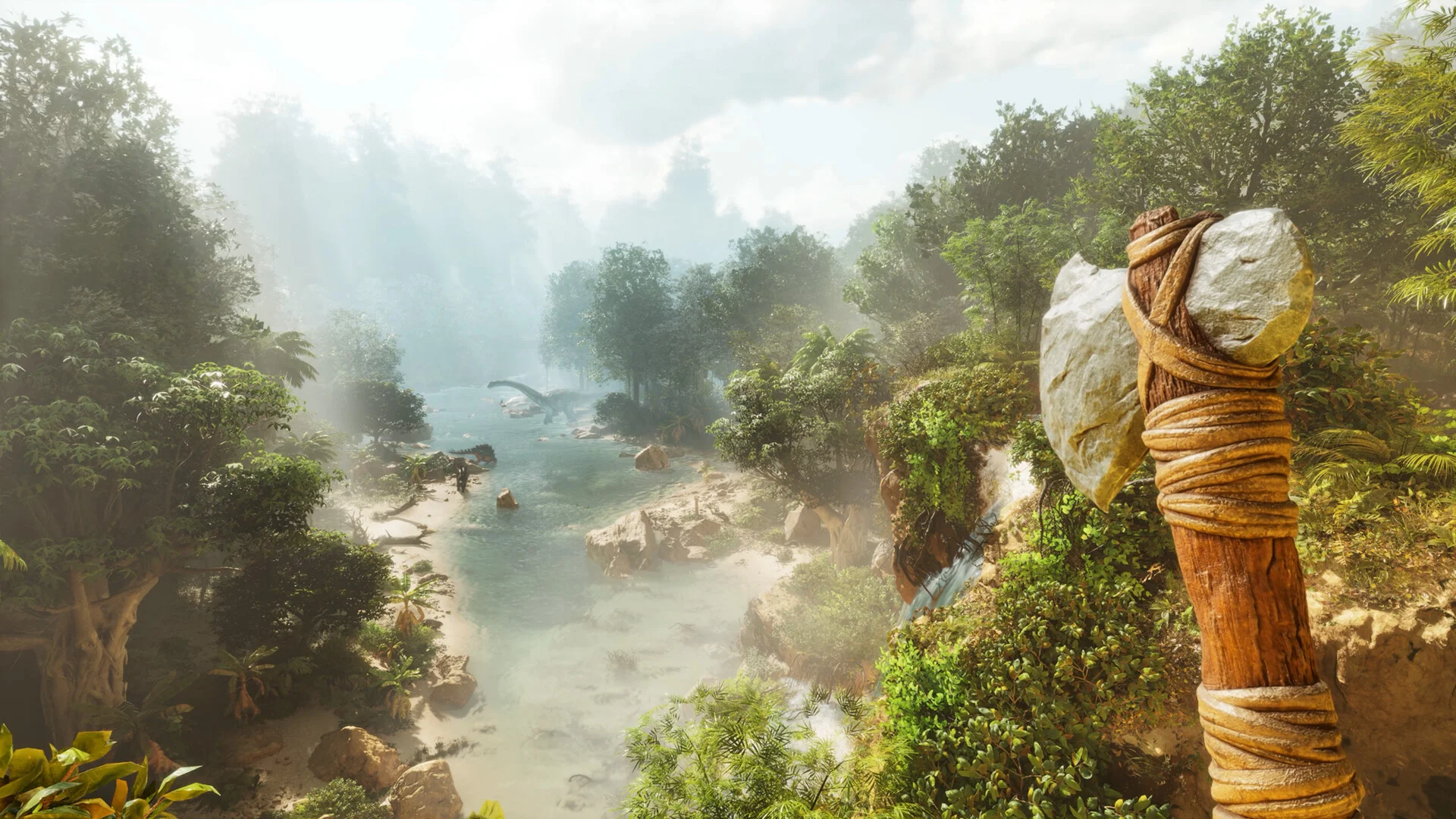
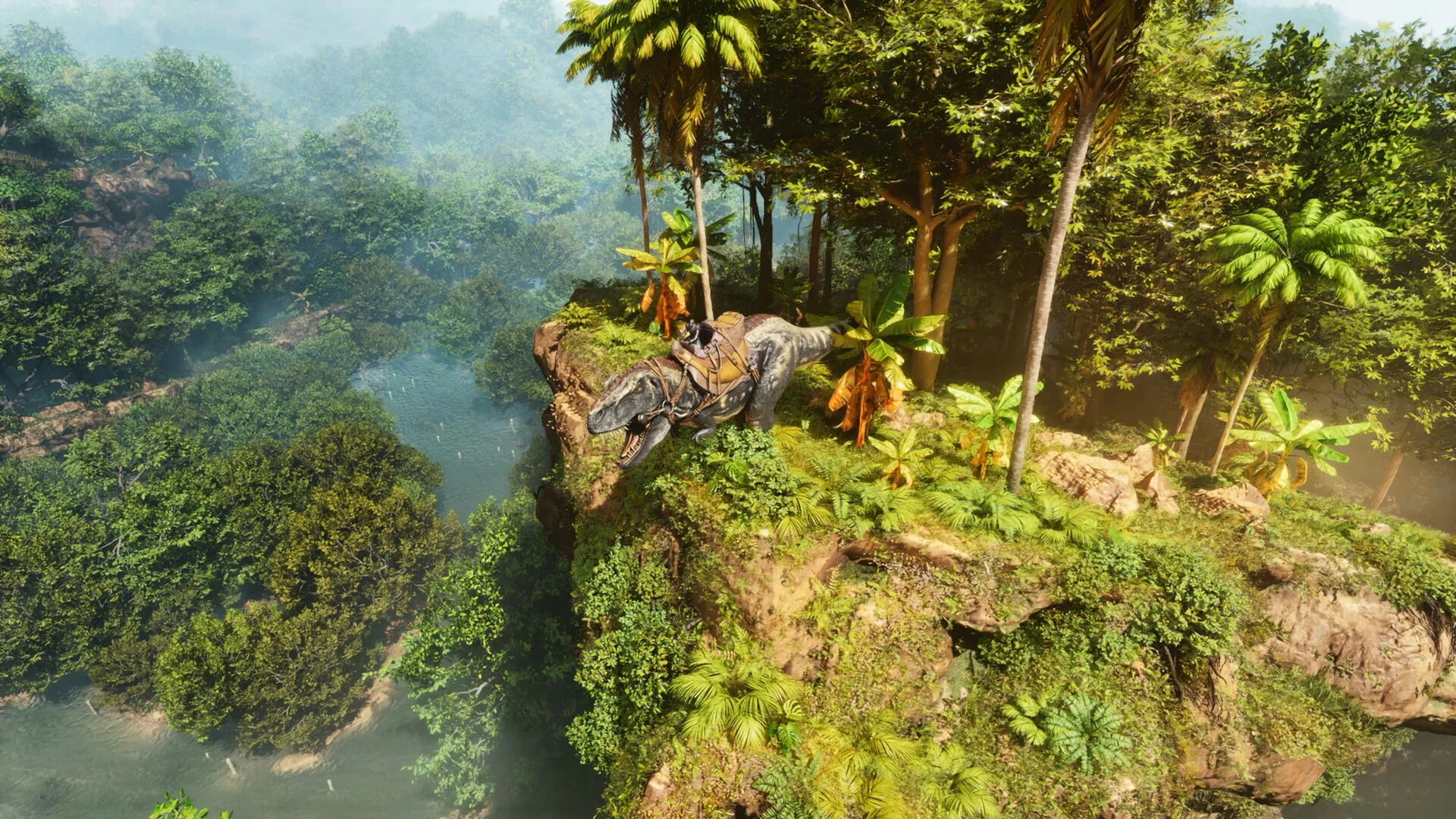
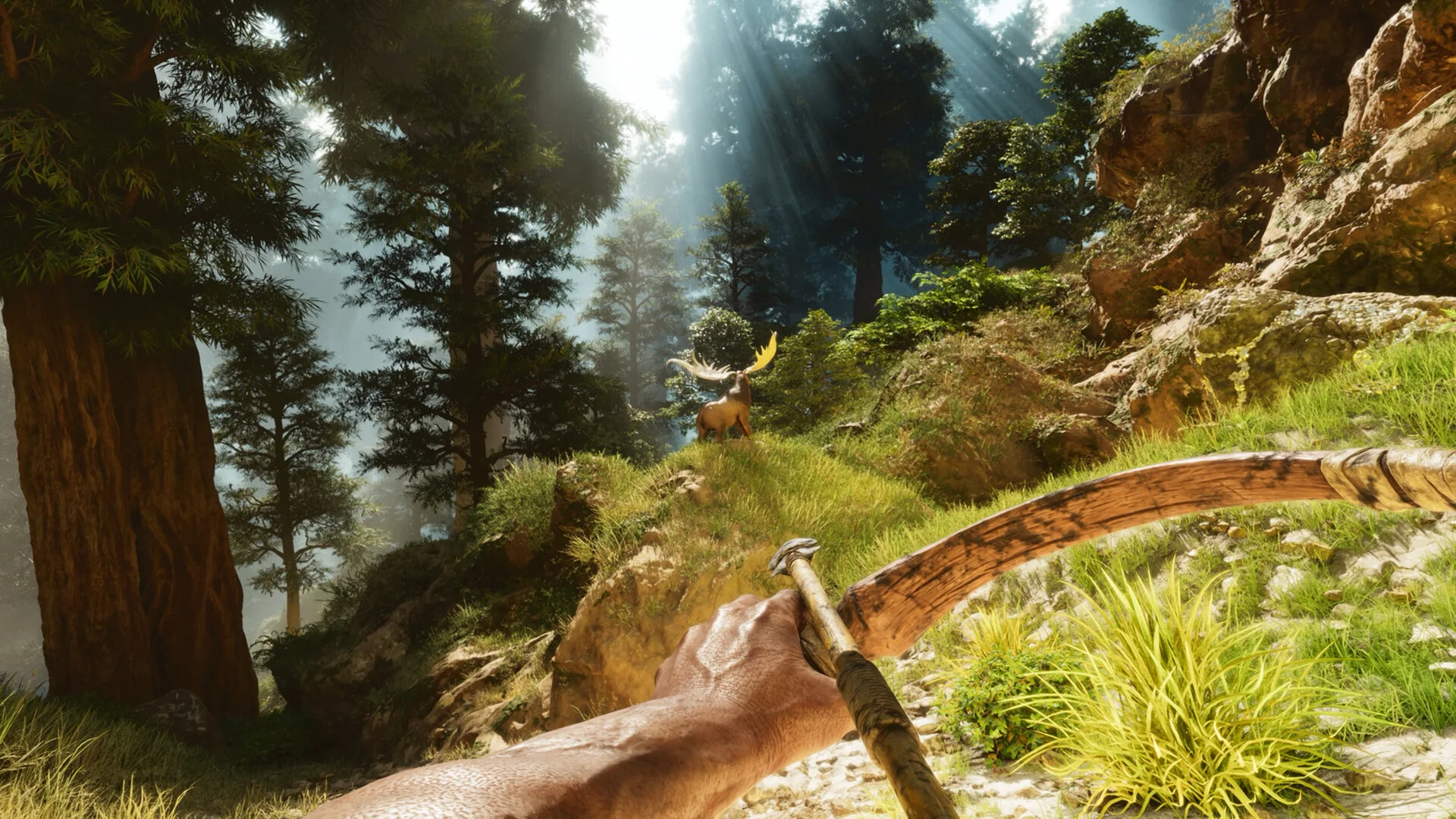







 Top 502 months ago
 Game Guides2 weeks ago
 Top 502 months ago
 Top 502 months ago
 Top 502 months ago
 Top 501 month ago
 Top 502 months ago
 Top 502 months ago